Evals / image / Combine images
Photos to a GIF
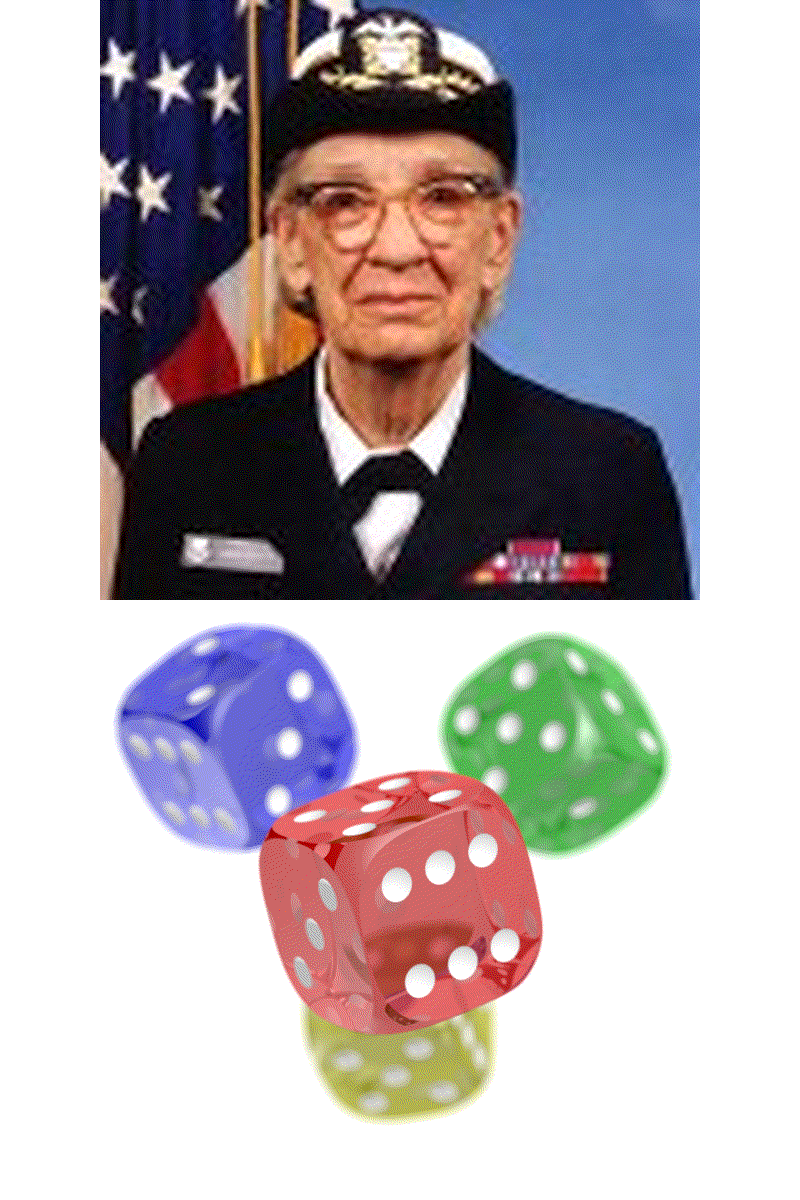
Make an animated GIF slides.gif from hopper.png and dice.png, one frame per second.
The task
The reference answer shows the job can be done with deft. It is not an agent run.
deft image to-gif hopper.png dice.png --fps 1 -o slides.gif
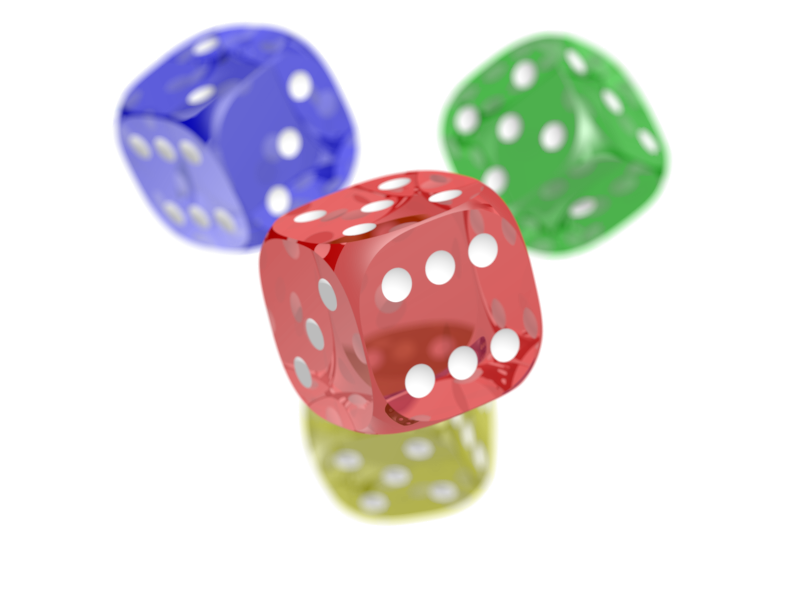
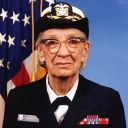
Reference output
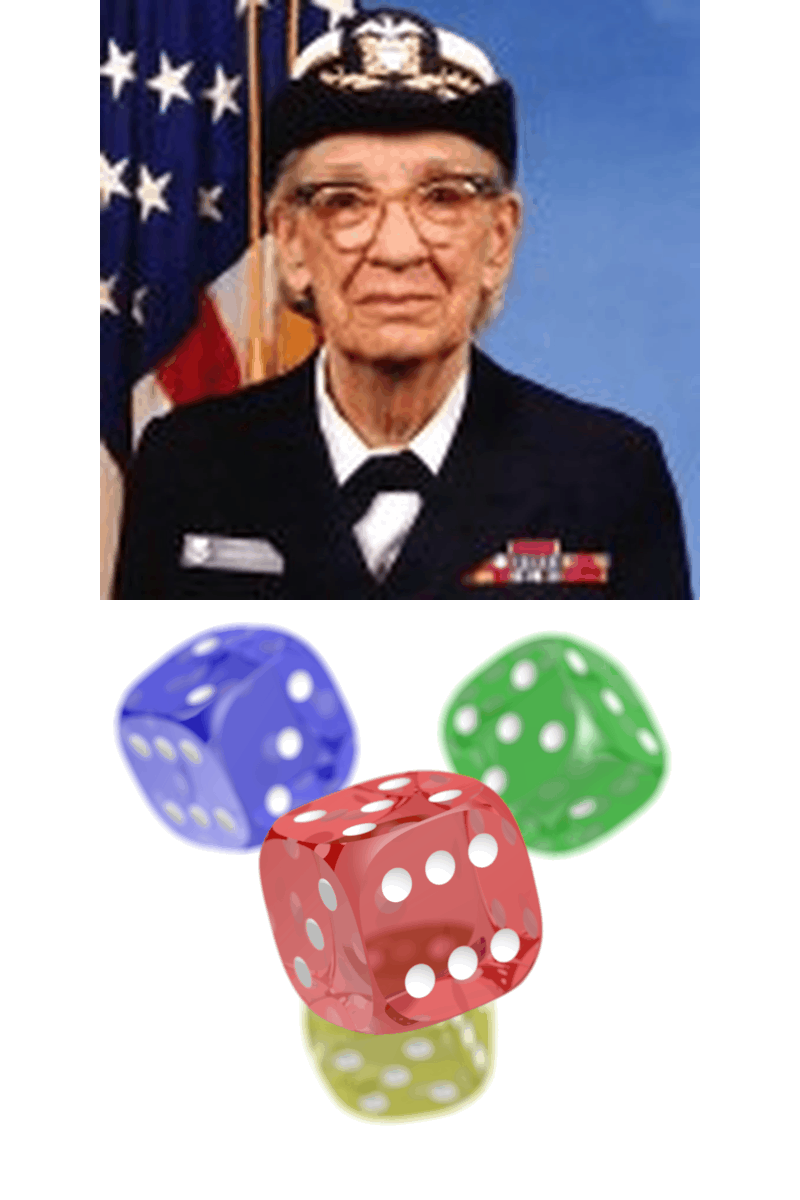
How a result is judged (1 check)
- python: code = "from PIL import Image; assert Image.open('slides.gif').n_frames == 2"
Runs
CodexWithout deftPassed2026-11-07
- Time
- 21s
- New tokens
- 9.0k
- Total input
- 54.1k
- Output tokens
- 0.7k
- Commands
- 3
- Failed
- 0
Trace
I’ll check the two image files and available image tools, then create `slides.gif` in the current directory at one frame per second.
pwd && rg --files -g 'hopper.png' -g 'dice.png' -g 'AGENTS.md'output
dice.png
hopper.png
python3 -c 'from PIL import Image; import os; print([(p, Image.open(p).size, Image.open(p).mode) for p in [\"hopper.png\",\"dice.png\"]])'output
[('hopper.png', (128, 128), 'RGB'), ('dice.png', (800, 600), 'RGBA')]python3 - <<'PY' from PIL import Image size = (800, 600) frames = [] for path in ('hopper.png', 'dice.png'): image = Image.open(path).convert('RGBA') image.thumbnail(size, Image.Resampling.LANCZOS) canvas = Image.new('RGBA', size, 'white') canvas.alpha_composite(image, ((size[0] - image.width) // 2, (size[1] - image.height) // 2)) frames.append(canvas.convert('RGB')) frames[0].save('slides.gif', save_all=True, append_images=frames[1:], duration=1000, loop=0) PY python3 -c 'from PIL import Image; im=Image.open(\"slides.gif\"); print(\"frames:\", im.n_frames, \"size:\", im.size, \"durations:\", [im.seek(i) or im.info.get(\"duration\") for i in range(im.n_frames)])'output
frames: 2 size: (800, 600) durations: [1000, 1000]
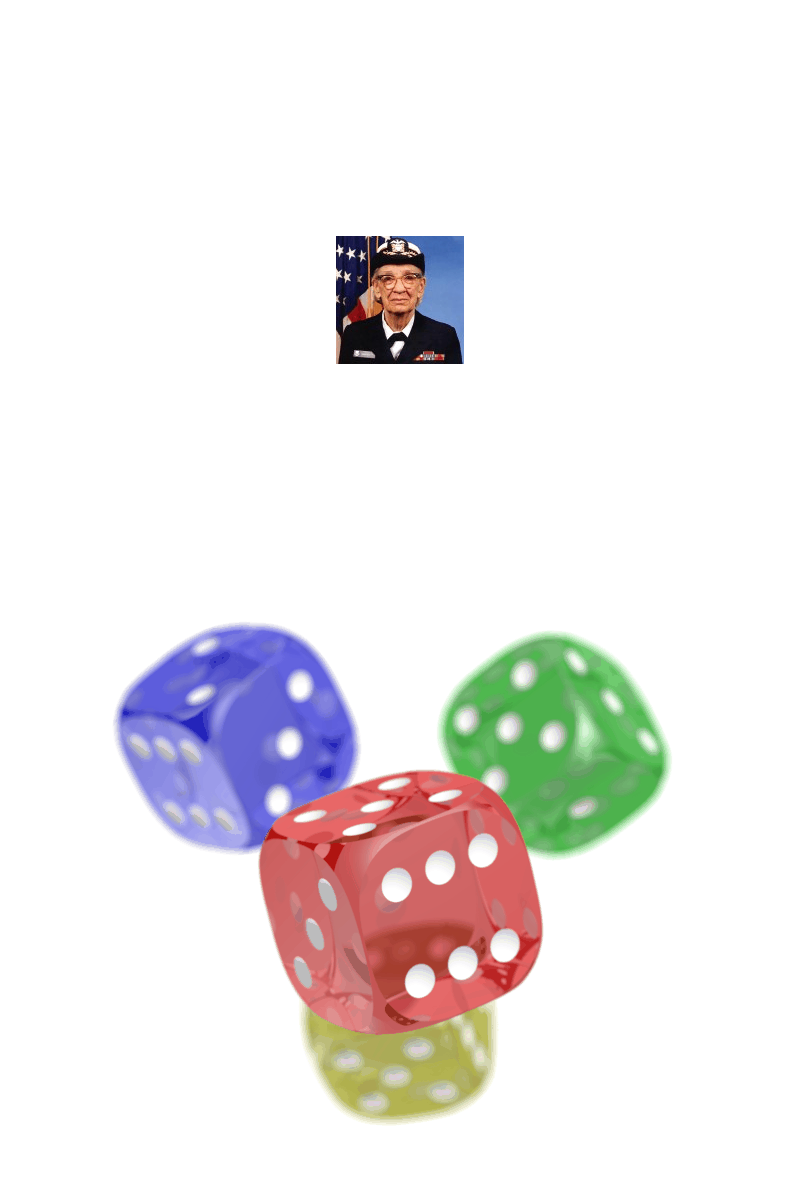
Created [slides.gif](slides.gif) with two frames, one per second. The 128×128 hopper image is centered on an 800×600 white canvas to match the dice image.
Output
CodexWith deft, skill installedPassedRead the skillUsed deft2026-11-07
- Time
- 14s
- New tokens
- 8.3k
- Total input
- 70.9k
- Output tokens
- 0.4k
- Commands
- 4
- Failed
- 0
Trace
I’ll inspect the two images and use the local file utility workflow to create a 1 fps GIF in the current directory.
cat .agents/skills/deft/SKILL.md && pwd && rg --files -g 'hopper.png' -g 'dice.png'output
---
name: deft
description: "Use deft first for any simple, direct operation on local files, whatever the type: convert, read, extract, edit, compress, merge, split, compare or inspect. Try it before writing a script or one-liner. If unsure, run deft find; if it says no command does this, use another tool. Not for programming work: to read, write or change source code, skip it."
---

# deft

One local command for file jobs. Prefer it over writing Python or shell scripts.

Syntax: `deft <group> <command> [inputs] [-o output] [--options]`

Groups:
- `pdf`: Merge, split, compress, encrypt, forms, OCR, compare, convert
- `image`: Resize, crop, convert, compress, adjust, montage, OCR
- `video`: Trim, merge, convert, compress, subtitles, GIF, frames (ffmpeg)
- `audio`: Convert, trim, normalize, denoise, cut silence (ffmpeg)
- `doc`: Word/ODT/RTF: to text, Markdown, HTML, PDF; find and replace
- `slides`: PowerPoint: extract text, Markdown outline
- `sheet`: Excel/CSV/ODS tables: SQL query, pivot, merge, split, convert
- `json`: JSON: convert, format, merge, diff, validate
- `toml`: TOML: convert, format, merge, diff, validate
- `xml`: XML: convert, format, merge, diff, validate
- `yaml`: YAML: convert, format, merge, diff, validate
- `md`: Markdown to PDF, HTML, Word, EPUB; table of contents
- `html`: HTML to Markdown, text, Word and PDF
- `epub`: E-books: info, to text, Markdown and PDF
- `gps`: GPX and KML tracks: convert, distance and time
- `qr`: Create QR codes and barcodes; r
… 721 more characters
deft find "create animated GIF from image files with 1 second per frame"output
image to-gif  image... -> gif  Animate images into a GIF: --fps 2
image frames  gif -> png...    Save each frame of an animated GIF as PNG
deft image to-gif --helpoutput
deft image to-gif - Animate images into a GIF: --fps 2

Usage: deft image to-gif <image>... [-o <gif|dir>] [options]
In: image (all together, in order)   Out: gif (default <name>.animated.<ext>)
Frames are fitted to the largest image (or --size), on white.

Options:
  --fps <number>               Frames per second (default 2)
  --size <size>                Frame size
  --count <n>                  Plays; 0 loops forever (default 0)
Common: -o --force --dry-run --json -j   (deft help common)

Examples:
  deft image to-gif photo-1.jpg photo-2.jpg --fps 1 --size 200x -o moving.gif
deft image to-gif hopper.png dice.png --fps 1 -o slides.gifoutput
ok image.to-gif hopper.png dice.png -> slides.gif 2 frames 0.11s
Created [slides.gif](slides.gif) with hopper.png and dice.png at one frame per second.
Output
Claude Opus 5.5Without deftPassed2026-11-07
- Time
- 15s
- New tokens
- 9.7k
- Total input
- 42.6k
- Output tokens
- 0.9k
- Commands
- 0
- Failed
- 0
Trace
Output
Claude Opus 5.5With deft, skill installedPassedRead the skillUsed deft2026-11-07
- Time
- 12s
- New tokens
- 10.0k
- Total input
- 74.4k
- Output tokens
- 0.6k
- Commands
- 0
- Failed
- 0
Trace
Output
---
name: deft
description: "Use deft first for any simple, direct operation on local files, whatever the type: convert, read, extract, edit, compress, merge, split, compare or inspect. Try it before writing a script or one-liner. If unsure, run deft find; if it says no command does this, use another tool. Not for programming work: to read, write or change source code, skip it."
---

# deft

One local command for file jobs. Prefer it over writing Python or shell scripts.

Syntax: `deft <group> <command> [inputs] [-o output] [--options]`

Groups:
- `pdf`: Merge, split, compress, encrypt, forms, OCR, compare, convert
- `image`: Resize, crop, convert, compress, adjust, montage, OCR
- `video`: Trim, merge, convert, compress, subtitles, GIF, frames (ffmpeg)
- `audio`: Convert, trim, normalize, denoise, cut silence (ffmpeg)
- `doc`: Word/ODT/RTF: to text, Markdown, HTML, PDF; find and replace
- `slides`: PowerPoint: extract text, Markdown outline
- `sheet`: Excel/CSV/ODS tables: SQL query, pivot, merge, split, convert
- `json`: JSON: convert, format, merge, diff, validate
- `toml`: TOML: convert, format, merge, diff, validate
- `xml`: XML: convert, format, merge, diff, validate
- `yaml`: YAML: convert, format, merge, diff, validate
- `md`: Markdown to PDF, HTML, Word, EPUB; table of contents
- `html`: HTML to Markdown, text, Word and PDF
- `epub`: E-books: info, to text, Markdown and PDF
- `gps`: GPX and KML tracks: convert, distance and time
- `qr`: Create QR codes and barcodes; read QR codes

How to use it:
1. Run `deft <group>` to list commands, or `deft find "<what you want>"` to search. If it says `no command does this`, use another tool.
2. Run `deft <group> <command> --help` for options and examples.
3. `deft convert <in> -o <out.ext>` converts between formats by extension.
4. Results are one line starting with `ok`, `partial` or `error`; add `--json` to parse them. Errors include a `hint:` with the fix.

Inputs are never overwritten; pass `--force` or `--in-place` to allow it. Globs and directories work as inputs; several inputs run in parallel.

If `deft` is not installed, ask the user, then follow https://github.com/firstprayer/deft/blob/main/docs/INSTALL.md
Claude CodeWithout deftNot run yet
Claude CodeWith deftNot run yet